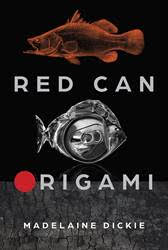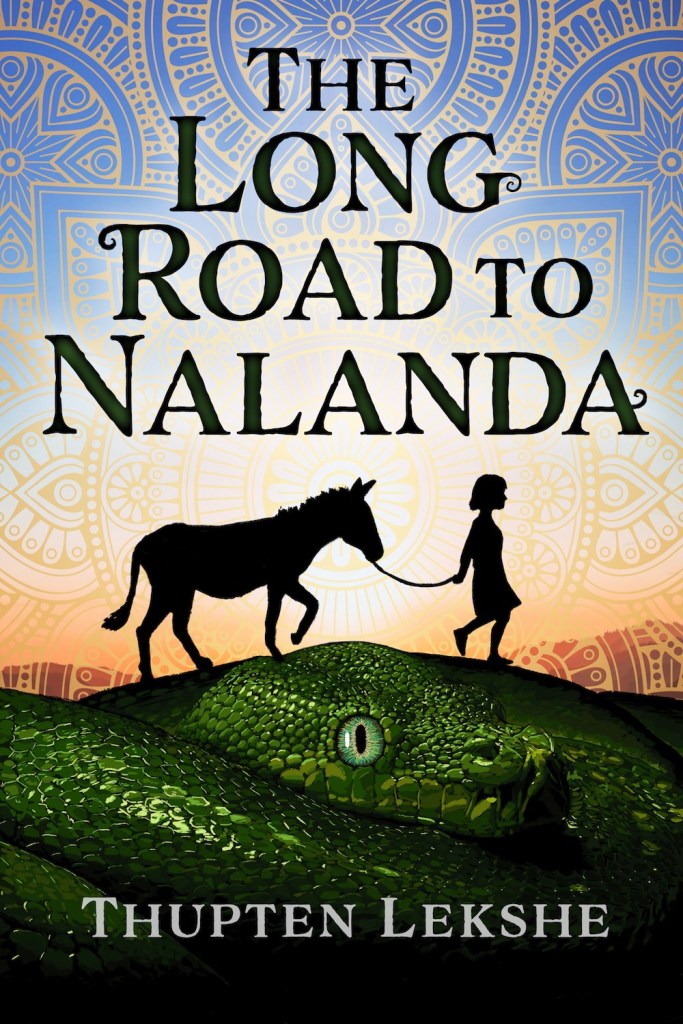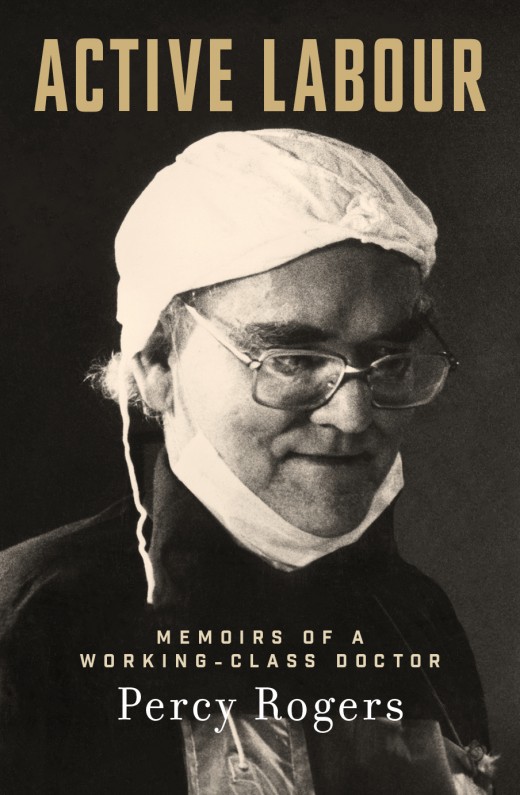
A few years ago, an author of nonfiction whom I was mentoring as she wrote her new book, shared with me an interview she’d been listening to. The interviewee was Barbara Kingsolver, acclaimed author of historical fiction. Kingsolver was talking about the difference between fiction and nonfiction, and suggested that writing a novel is like creating a garden in the […]
When I am approached by a writer about her or his writing project, I am always curious. I try to gain an understanding of what motivates the author to write about a certain subject or character. Even though there may be a deep desire to write a specific story that focuses on a theme or satisfies a genre that interests […]
Many writers are often unsure whether to hyphenate or not to hyphenate a descriptive word combination in a sentence. We all know there are often exceptions to a ‘rule’ in grammar-talk, and many word combos that have required a hyphen to separate them in the past, such as ‘on-line’, ‘stand-alone’ and ‘proof-reader’, are now morphing into one word. When editing […]
Due to the insidious COVID-19 pandemic, people around the globe are bunkering down to try and stop the coronavirus from spreading further. During May, I am discounting my writing consultancy fees. I want to encourage you to write, or keep writing. If you’re well on the way with your writing project, but it’s been sitting on the back-burner of your […]

Silence is a tool that writers of fiction can use to great effect. By silencing a character in a poignant moment, emotion is heightened; interrupting action with silence can magnify drama; allowing a character to inhabit a space devoid of action allows time-out and an opportunity for reflection. For examples of silences in literary writing, seek out authors such as […]
Linking certain words or phrases in a sentence using a ‘dash’ requires careful consideration. On many occasions I have had to explain the misuse of hyphens to act as parentheses — to enclose a word, phrase, or clause — instead of using brackets or em dashes (as used in this sentence). This misunderstanding of the function of the hyphen, which […]

Choosing and arranging words according to their sound can intensify meaning and create rhythm in a sentence; the degree of musicality you employ will depend on the intended mood and tone of your writing. In Geraldine Brooks’ ‘Year of Wonders’ (2001), Part 1 is called ‘Leaf-Fall, 1666’. Readers’ senses are immediately stimulated as autumnal sights, sounds and smells are richly […]
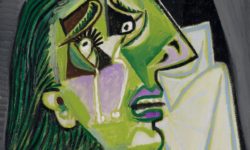
I often stand and commune with Pablo Picasso’s 1937 painting, ‘Weeping Woman’. It conveys extreme sadness, much of what is experienced by humans, near and far, today. I run my eye over it, wondering whether there’s something that I may have missed since I last stood before it. I go early, alone, with an art buddy, or with a few […]

These days, if we land on the Home page of a business website, we not only want an instant summary of the service or the product/s, we also want it presented in a personalised, eye-catching, well-written nutshell. However, what we’re often faced with is poor grammar and jargon-riddled writing that shows an obvious lack of thought and editing. The ability […]

It takes courage for writers to ‘go out on a limb’ in order to develop, and commit to, an individual writing style that satisfies readers. On 9 March 1895, H. G. Wells, English writer and commentator, wrote a review in the ‘Saturday Review’ of Grant Allen’s controversial novel, ‘The Woman Who Did’: “The whole book … is strenuous without strength, […]